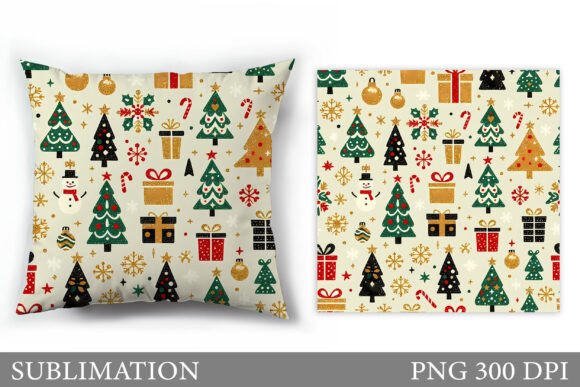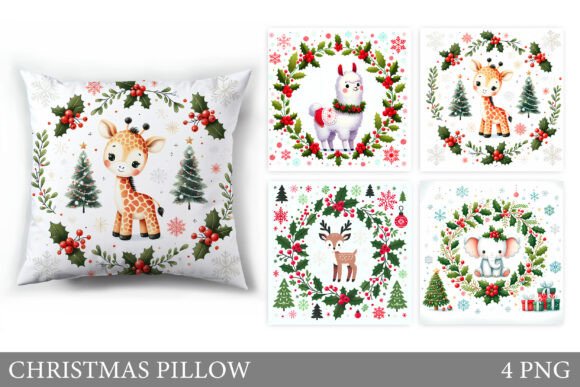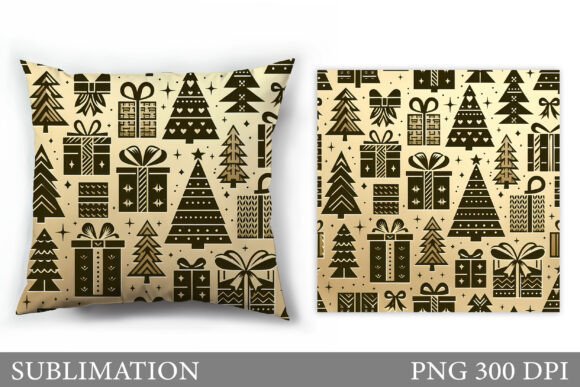
Reviewing the Christmas Tree Pillow Sublimation Design
As a designer who spends more time staring at digitized stitch paths than I do sleeping, I have learned that not every pretty picture translates into a quality machine embroidery design. When I first pulled up the Christmas Tree Pillow Sublimation file on my screen, my initial reaction was one of cautious optimism. The visual appeal was immediate, but in our line of work, aesthetics are only half the battle. The real question is always: how does this behave under the needle? Does it hold up on textured fabrics? Will it puckering on a stretchy sweatshirt? I decided to put this design through its paces, treating it not just as a digital asset, but as a core component of a potential holiday product line for my small shop.
First Impressions and Visual Personality
The Christmas Tree Pillow Sublimation falls squarely into the Illustrations category, which usually implies a higher level of detail and artistic flair compared to standard monogram fonts or simple icons. The mood it creates is warm, nostalgic, and distinctly festive without being overly cartoonish. For an Etsy seller or a boutique owner, this is crucial. You want a design that feels curated, not generic. The layout appears balanced, with a central focus that draws the eye naturally. However, because it is labeled with "sublimation" in the title, I immediately looked for how it might integrate with mixed-media projects. Many modern crafters love combining sublimated backgrounds with embroidered overlays to create depth. If this design is intended purely for embroidery, the line work needs to be clean enough to stand alone. If it is meant to complement a sublimated print, the stitch density must be low enough to let the background shine through.
Real-World Application: The Holiday Tote Test
To truly evaluate the utility of this design, I imagined a specific real-life scenario: preparing a custom run of canvas tote bags for a local holiday market. Canvas is a forgiving fabric, but it has a distinct weave that can swallow up fine details. I visualized placing the Christmas Tree Pillow Sublimation on a natural cotton tote. The key here is contrast. If the design relies heavily on subtle shading, it might get lost. However, if it utilizes bold satin stitch borders or clear fill stitch areas, it would pop beautifully against the neutral background.
I also considered its use on apparel. Imagine this design on the chest of a heather grey crewneck sweatshirt. This is a bestseller for many craft business owners during Q4. The design’s scale would need to be adjusted to fit a 4x4 or 5x7 hoop comfortably. In this context, the design acts as a focal point for a personalized gift. Customers aren't just buying a sweatshirt; they are buying a feeling of cozy holiday spirit. The success of the finished product depends entirely on the clarity of the embroidery. If the stitches are dense and heavy, the sweatshirt fabric will pucker, ruining the professional look. Therefore, checking the stitch count and density settings before running a full batch is non-negotiable.
Navigating Fabric and Hoop Constraints
One of the most critical aspects of reviewing any embroidery file is understanding where it fails. The Christmas Tree Pillow Sublimation likely contains intricate elements typical of illustrative styles. These details can be problematic on certain materials. For instance, using this on a thin, stretchy fabric like a baby onesie requires extreme caution. Without a proper cut-away stabilizer, the tension from the stitches could distort the garment. Furthermore, if the design includes tiny lettering or very fine running stitch details, these might not register well on textured fabrics like terry cloth towels or fuzzy fleece blankets.
Curved surfaces present another challenge. If you plan to use this design on a cap or a structured hat, the hoop size and the design's width become limiting factors. A wide, horizontal illustration might not wrap correctly around the front panel of a baseball cap. In such cases, I would recommend scaling the design down or isolating the central tree element if the file allows for editing. Always test on scrap fabric first. This is the golden rule of professional embroidery. Seeing how the thread colors interact with the specific fabric texture of your chosen blank can save you from costly mistakes.
Commercial Viability and Brand Consistency
For small shop product lines, consistency is key. The Christmas Tree Pillow Sublimation needs to fit within your existing brand aesthetic. If your brand is minimalist and modern, a highly detailed, traditional illustration might feel out of place. However, if your brand leans towards rustic, handmade, or vintage vibes, this design could be a perfect fit. It enhances the perceived value of the item. A well-executed embroidery project signals quality and effort, which builds customer trust.
When creating printable mockup images for your online store, ensure that the digital representation matches the physical reality. Misleading previews can lead to returns and negative reviews. Use the design to create engaging social media content, showing the behind-the-scenes process of stitching it out. This transparency appeals to buyers who value handmade product authenticity. Whether you are selling digital embroidery file assets to other makers or finished goods like aprons and pillow covers, the versatility of this design can expand your catalog without requiring new digitization work.
Practical Designer Notes for Best Results
Before you commit to producing inventory, here are some practical steps to ensure the Christmas Tree Pillow Sublimation performs as expected:
- Check Licensing: Confirm whether the license allows for commercial use of finished items. This is vital for commercial embroidery projects.
- Test Stitch Density: Run a test on similar fabric to your final product. Look for pulling or puckering.
- Contrast Check: View the design in black and white to ensure the shapes are distinct and not reliant solely on color for definition.
- Stabilizer Selection: Match your stabilizer to the fabric weight. Heavy designs need strong support.
- Thread Quality: Use high-quality rayon or polyester threads to prevent breakage, especially in dense fill areas.
- Hoop Size Verification: Ensure the design fits your machine’s maximum hoop size without resizing, which can distort stitch angles.
In conclusion, the Christmas Tree Pillow Sublimation offers a promising foundation for holiday-themed creations. Its illustrative nature provides a rich visual experience that can elevate simple blanks into cherished keepsakes. By approaching it with a critical eye for technical execution and material compatibility, you can leverage this design to create standout products for your Etsy seller storefront or local craft fairs. Remember, the magic lies not just in the image, but in the precision of the stitch.