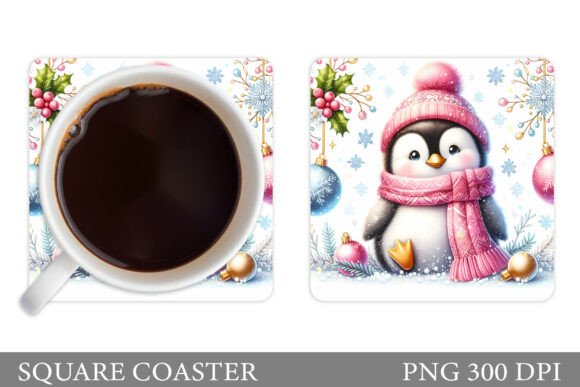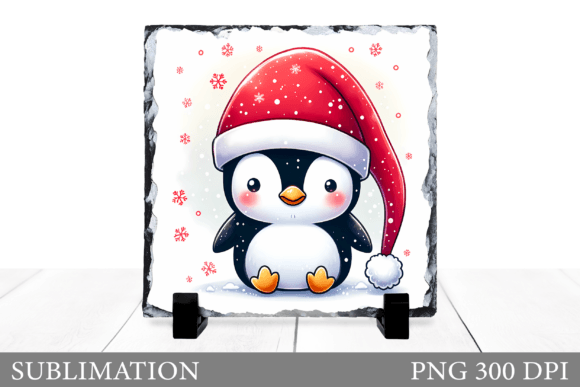
Reviewing the Christmas Penguin Slate Sublimation Design
As a designer who spends more time staring at stitch simulations than I do sleeping, I have learned that not every cute graphic translates well into thread. We have all been there: you find an adorable illustration, imagine it perfectly centered on a holiday sweatshirt, and then watch in horror as the machine turns a penguin’s beak into a tangled mess of bobbin thread. That is why I approach new assets with a critical eye. Recently, I spent some time evaluating the Christmas Penguin Slate Sublimation design to see if it holds up under the needle or if it is better left as a digital-only asset.
The first impression of this piece is undeniably charming. It captures that specific cozy, whimsical mood that sells incredibly well during the fourth quarter. The visual personality is soft yet distinct, avoiding the overly complex shading that often plagues sublimation-style graphics when converted for embroidery. For those of us running small shops or Etsy stores, finding designs that balance aesthetic appeal with technical feasibility is half the battle. This design sits comfortably in that sweet spot, offering enough detail to look professional without demanding an hour of machine time per unit.
Real-World Application and Project Fit
To truly test the viability of any machine embroidery design, you have to move beyond the screen and think about the final product. I envisioned this penguin motif on a few specific items to gauge its versatility. My primary test case was a custom embroidered tote bag. Tote bags are staples for craft fairs and boutique branding, but they present a challenge due to the canvas texture. The Christmas Penguin Slate Sublimation layout, with its relatively bold shapes, would likely stand out well against the weave of a heavy cotton canvas. The contrast between the dark slate tones of the penguin and a natural or cream-colored bag would create a high-impact, handmade product that feels premium rather than mass-produced.
I also considered its application on apparel, specifically a heather grey sweatshirt. Holiday embroidery on fleece or French terry requires careful handling of stitch density. If the design relies too heavily on dense fill stitches, the fabric can pucker, ruining the drape of the garment. From what I can observe in the layout, this design appears to utilize a smart mix of satin stitch for outlines and lighter fill areas for the body. This suggests it would sit flat on a sweatshirt, maintaining the softness customers expect from custom apparel. It is not just about looking good; it is about feeling good to wear.
For baby embroidery projects, such as a onesie or a nursery pillow cover, the scale becomes critical. The playful nature of the penguin theme fits the demographic perfectly. However, when scaling down for smaller hoop sizes, one must be cautious. Tiny details can get lost or become stiff patches of thread on delicate baby fabrics. I would recommend testing this design at various scales on scrap fabric before committing to a finished product. If the smaller version retains its clarity without becoming a hard, scratchy patch, it could be a bestseller for personalized gifts.
Technical Considerations for Embroiderers
Let’s talk about the nuts and bolts of stitching this out. Since this is categorized under Illustrations, we are dealing with artistic interpretation rather than rigid geometric precision. This is generally a good thing for embroidery, as it allows for some organic variation in the stitching. However, it also means you need to pay close attention to thread colors. The "slate" aspect implies a muted, sophisticated palette. Using standard bright blacks and whites might clash with the intended vibe. I suggest opting for charcoal, slate grey, and off-white threads to maintain the design’s integrity. Proper thread color contrast is essential to ensure the penguin does not blend into dark fabrics or look washed out on light ones.
Stabilizer choice is another non-negotiable factor. For a design like this, which likely has some width to it, a cut-away stabilizer is usually the safest bet for garments that will be washed frequently. If you are stitching on a woven fabric like a tea towel or apron, a tear-away might suffice, but always test first. The goal is to support the stitch density without adding unnecessary bulk. If you are attempting this on stretchy fabric or curved surfaces like caps, you must use appropriate hooping techniques and possibly additional topping to prevent the stitches from sinking into the pile of the fabric.
One area where caution is advised is with textured fabrics. If you are using a fluffy minky or a thick towel, the finer details of the penguin’s features might get obscured. In these cases, consider using a water-soluble topping to keep the stitches on the surface. Also, be mindful of dense stitch areas. If the design has large blocks of solid color, check your machine’s tension settings. Poor tension can lead to looping or bird’s nests, which destroys the professional look of your commercial embroidery work.
Commercial Viability and Brand Consistency
For Etsy sellers and creative entrepreneurs, the visual appeal of a design directly impacts buyer engagement. The Christmas Penguin Slate Sublimation offers a modern twist on traditional holiday motifs. It avoids the cliché red-and-green overload, appealing to customers looking for something slightly more subdued and stylish. This can help with brand consistency if your shop focuses on minimalist or contemporary handmade goods. A cohesive look across your product line builds trust and recognition.
When creating printable mockups or digital product previews, this design photographs well. The clean lines and distinct shapes translate nicely into images for social media or online listings. High-quality visuals are crucial for selling finished products or digital embroidery files. If you are selling the design itself as a digital asset, ensure you provide clear instructions on recommended hoop sizes and fabric types. This reduces customer support queries and increases satisfaction.
It is also vital to confirm licensing before selling finished items. Just because a design is available for purchase does not automatically grant commercial rights. Always read the terms carefully. If you are using this for client projects or small shop merchandise, knowing you are legally covered provides peace of mind and professionalism. It separates the hobbyists from the serious craft business owners.
Final Verdict and Designer Notes
In my assessment, the Christmas Penguin Slate Sublimation is a strong contender for holiday collections. It balances charm with practicality. To get the best results, I recommend the following steps:
- Test on scrap fabric first: Never stitch directly on your final garment. Check for puckering and thread breaks.
- Check thread contrast: Use a color chart to select threads that match the slate aesthetic.
- Review stitch density: If possible, view the stitch file in your software to identify any overly dense areas that might need editing.
- Confirm hoop size: Ensure the design fits comfortably within your hoop with adequate margin for stability.
- Inspect small details: Zoom in on the preview to see if tiny elements like eyes or beaks are defined enough to stitch cleanly.
- Use proper stabilizer: Match the stabilizer to the fabric weight and type.
Ultimately, this design serves as a versatile asset for various embroidery projects. Whether you are making a personalized gift, a boutique product, or a custom apparel line, it offers the potential for high-quality results. By approaching it with a designer’s eye for detail and a maker’s respect for materials, you can transform this digital file into a tangible, beloved finished product. Remember, the best embroidery is not just about the machine; it is about the thoughtful decisions made before the needle ever hits the fabric.