Santa Claus Kawaii Clipart: A Designer’s Embroidery Review
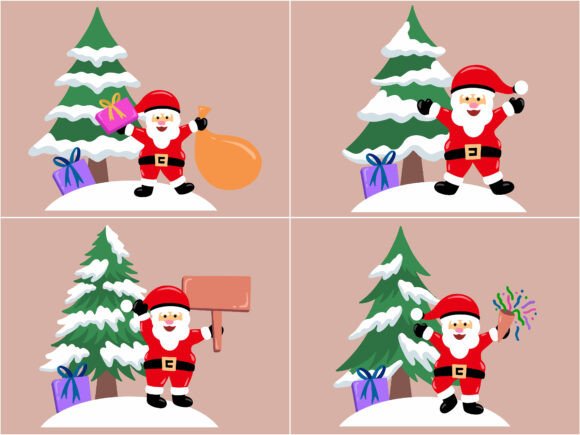
As an embroidery designer who has spent countless hours digitizing and stitching holiday motifs, I approach every new asset with a critical eye. We are all familiar with the traditional, robust Santa Claus imagery that dominates December catalogs. However, the Santa Claus Christmas Kawaii Clipart Set offers a distinct shift in aesthetic. It moves away from complex realism toward simplified, adorable shapes that prioritize charm over intricate detail. For those of us running a craft business or selling on Etsy, this distinction is vital. This review evaluates how these Illustrations translate from screen to stitch, focusing on practical application for real-world projects.
First Impressions: Mood and Visual Personality
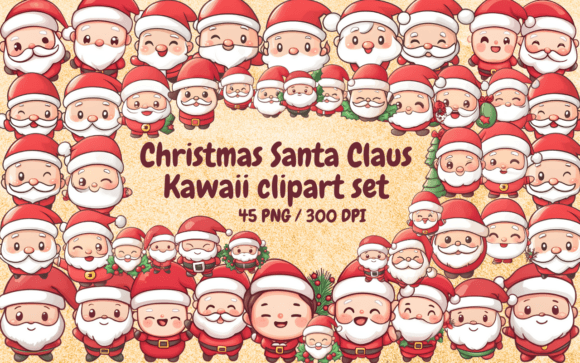
The immediate appeal of the Santa Claus Christmas Kawaii Clipart Set lies in its softness. The term "kawaii" implies a specific visual language: large eyes, rounded proportions, and minimal shading. When I first loaded these files into my digitizing software, I noticed the clean lines and open spaces. This is not a design that relies on heavy fill stitch coverage to create depth. Instead, it uses shape and color blocking to define the character.
For an embroidery project, this simplicity is often a blessing. Complex gradients and tiny details can get lost in thread, especially on textured fabrics. The mood here is playful and innocent, making it ideal for items targeting children, young adults, or anyone seeking a modern, less traditional holiday vibe. It feels approachable and sweet, lacking the sternness of classic Victorian Santa depictions.
Real-World Application: From Digital File to Finished Product
To truly test the viability of this set, I considered a common scenario: preparing a custom order for a boutique client wanting unique holiday embroidery on baby items. I selected one of the simpler Santa faces from the set to visualize on a soft, organic cotton onesie. The result was promising. Because the design avoids excessive density, it remains flexible and comfortable against sensitive skin. This is a crucial consideration for baby embroidery, where stiff, dense stitching can irritate.
Beyond baby clothes, this machine embroidery design shines on tote bag design projects. A canvas tote with a large, centered kawaii Santa creates an instant statement piece. The bold outlines typical of kawaii art translate well to satin stitch borders, providing crisp definition against the fabric weave. I also envision this working beautifully on sweatshirt embroidery. The cozy nature of fleece pairs well with the warm, inviting theme of the clipart. Whether you are creating personalized gift items for family or stock for your small shop product line, the versatility is evident.
For Etsy seller accounts, these assets can also serve as excellent printable mockup elements. Before committing to stitching, you can use the digital files to create compelling listings. This helps gauge customer interest in custom apparel or home decor without wasting thread and stabilizer.
Technical Considerations and Stitching Clarity
While the aesthetic is charming, technical execution requires attention. When converting any digital embroidery file into a stitch-ready format, one must consider stitch density. Kawaii designs often feature large areas of solid color. If you are digitizing this yourself or using an auto-digitized version, ensure the underlay is sufficient to prevent fabric show-through, but keep the top density moderate. Too much density on a lightweight fabric will cause puckering.
The thread colors chosen will make or break the final look. Kawaii styles often use pastel or slightly muted tones alongside traditional reds and whites. I recommend testing a palette that matches the softness of the illustration. A harsh, neon red might clash with the gentle vibe of the Santa Claus Christmas Kawaii Clipart Set. Instead, opt for a cranberry or brick red for a more sophisticated, handmade feel.
Furthermore, consider the hoop size. These designs are generally compact. They fit comfortably within a 4x4 inch hoop, which is standard for many home machines. This makes them accessible for hobbyists who may not have large-format commercial equipment. However, if you plan to scale them up for a pillow cover or blanket, be wary of pixelation or loss of detail. Always check the resolution of the source Illustrations before enlarging.
Where to Use Caution
Not every fabric or item is suitable for this specific style. I advise caution when stitching on highly textured fabrics like thick wool or terry cloth towels. The fine details of the kawaii face, particularly the eyes and mouth, may get obscured by the fabric pile. In such cases, using an applique design technique—where fabric pieces are stitched down to form the shapes—might yield a cleaner result than pure embroidery.
Additionally, be mindful of stretchy fabrics. While the design is not overly dense, any embroidery on spandex or thin jersey requires a high-quality stabilizer. Without proper support, the running stitch outlines may distort after washing. Curved surfaces, such as caps, also present a challenge. The flat, frontal nature of kawaii art can look warped if not centered perfectly on the cap’s front panel. Always hoop firmly and use tear-away stabilizer for structured garments.
Avoid using this design on dark fabrics unless you are confident in your digitizing skills. Light-colored kawaii characters often require extensive satin stitching to cover dark backgrounds, which can increase stitch count and production time significantly. If you must use dark fabric, consider adding a white underlay or using applique methods to maintain brightness.
Impact on Brand and Customer Perception
In the world of commercial embroidery, consistency is key. Using a cohesive set like the Santa Claus Christmas Kawaii Clipart Set helps build brand recognition. Customers begin to associate your handmade product with a specific style—cute, modern, and high-quality. This visual consistency builds trust. When a buyer sees a well-executed, clear image on an embroidered patch or apron, they perceive higher value.
Moreover, the "giftability" factor is high. Items featuring kawaii aesthetics are often purchased as gifts because they evoke an emotional response of warmth and nostalgia. This can drive engagement on social media, where users are more likely to share photos of adorable, unique items compared to generic holiday decor. For creative entrepreneurs, this translates to organic marketing and increased visibility.
Practical Designer Notes for Best Results
Before launching this design into your production line, follow these steps:
- Test on Scrap Fabric: Always stitch a sample on the exact fabric type you intend to sell. Check for puckering, thread breaks, and color accuracy.
- Check Contrast: View your design in black and white. If the details disappear, you may need to adjust thread weights or colors to ensure clarity.
- Verify Licensing: Confirm the license terms for the Santa Claus Christmas Kawaii Clipart Set. Ensure you have the right to use the design assets for commercial purposes if you plan to sell the finished product.
- Inspect Small Details: Zoom in on the digitized file. Are there unnecessary jumps or trims? Clean up the pathing to reduce production time.
- Consider Stabilizer Type: Match your stabilizer to your fabric. Cut-away for knits, tear-away for wovens, and wash-away for delicate or sheer materials.
In conclusion, the Santa Claus Christmas Kawaii Clipart Set is a valuable addition to any holiday collection. It offers a fresh, modern take on a classic theme, suitable for a wide range of embroidery projects. By understanding its technical requirements and leveraging its aesthetic strengths, you can create standout products that resonate with customers and elevate your brand.