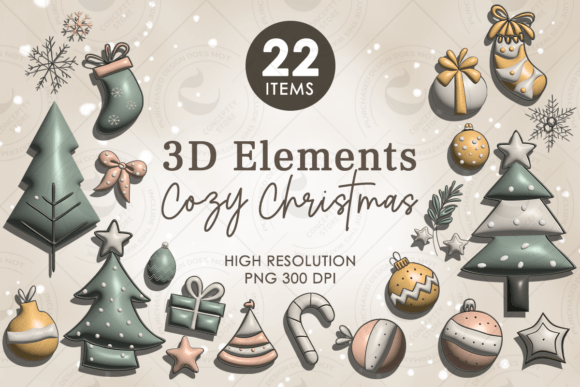
Reviewing 3D Christmas Illustrations for Client Projects
As a graphic designer who spends half the year preparing for Q4 retail rushes, I approach every new asset with a healthy dose of skepticism. We have all downloaded those "premium" bundles that turn out to be low-resolution JPEGs with messy edges. However, when I recently pulled the High-Quality 3D Christmas PNG Elements into a working file for a boutique candle brand’s holiday campaign, my initial reaction was one of genuine relief. These are not flat, cartoonish clipart; they are rendered with depth, lighting, and texture that mimic real-world objects.
The first impression is defined by tactile realism. The elements feature soft shadows, subtle gradients, and material finishes that look like glazed ceramic, frosted glass, or plush fabric. For a client project aiming for a cozy, high-end aesthetic rather than a cheap, mass-produced feel, this visual mood is invaluable. It bridges the gap between digital convenience and physical presence. If you are building a brand identity for a handmade business or a small business branding package, these assets provide an immediate sense of quality that flat vectors often lack.
Integrating Depth into Real-World Design Applications
In practical design situations, versatility is key. I tested these elements across several mediums to see where they held up. For packaging design, specifically on matte black boxes for luxury confections, the 3D rendering popped beautifully. The lighting in the PNGs interacted well with the dark background, creating a floating effect that drew the eye directly to the product name. This is crucial for marketing visuals where you have seconds to capture attention on a crowded shelf or a scrolling social feed.
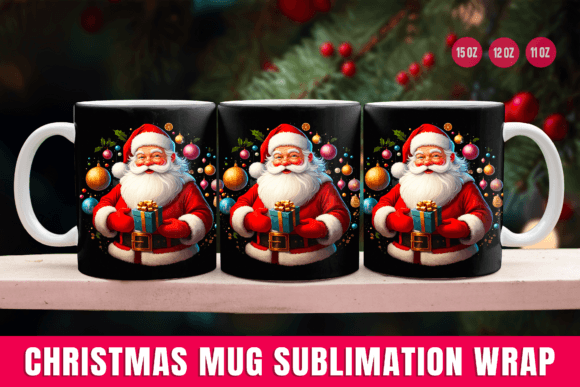
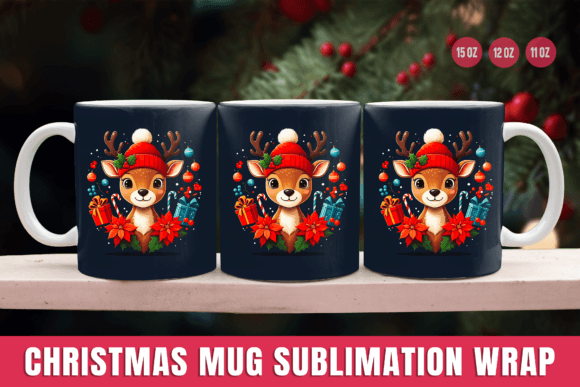
For digital applications, such as social media graphics and Pinterest pins, the transparent backgrounds saved hours of masking time. I dropped a 3D ornament cluster into a Canva template for a flash sale announcement, and it layered seamlessly over the typography without any white halos. This makes them ideal for content creators and bloggers who need to elevate their editorial design quickly. Furthermore, for those running an Etsy shop or engaging in print-on-demand, these files are robust enough for sublimation design on mugs and tote bags, provided the resolution matches your printer’s DPI requirements.
However, the application requires strategic thinking. These elements work best as hero graphics or focal points in large layout areas. They shine in product mockups where you want to simulate a styled photoshoot without hiring a photographer. Use them as decorative accents in invitations or as the central motif on sticker designs. Because they carry visual weight, they anchor a composition effectively, giving structure to otherwise empty space.
Navigating Visual Hierarchy and Readability
While the aesthetic appeal is high, a professional designer must consider visual hierarchy. These 3D elements are detailed. If you place them behind small body text, readability suffers. I found that they compete with complex backgrounds. Therefore, they should be used carefully in minimalist branding or corporate materials where clean lines are paramount. In a crowded layout, the intricate shading of the 3D render can create visual noise, distracting from the core message.
To maintain professionalism, I recommend using these illustrations as supporting brand elements rather than the sole carrier of information. For instance, in a logo design context, they are too complex for a scalable mark but perfect for seasonal variations of a brand’s visual system. When pairing with typography, I tested them against various font styles. They complemented serif fonts nicely, adding a traditional, warm holiday feel. They also worked with modern sans serif fonts, creating a contemporary contrast. However, avoid pairing them with overly decorative script fonts, as the combination can feel cluttered and reduce overall visual trust.
Technical Checks for Commercial Confidence
Before delivering any final files to a client, I run a strict technical audit. Here are my practical designer notes for anyone incorporating High-Quality 3D Christmas PNG Elements into commercial work:
- Test Contrast: Always preview the assets on both light and dark backgrounds. The built-in shadows may look great on white but disappear on dark gray, requiring you to add a subtle glow or outer stroke in your design software.
- Inspect Transparency: Zoom in to 400% to check the edges of the PNG design. Ensure there are no jagged pixels or leftover background artifacts, which can ruin the polished look of a digital product.
- Scale Verification: Print a test sheet at actual size. What looks crisp on a Retina display might appear pixelated if the original file resolution is insufficient for large format prints like posters or banners.
- Black and White Test: Convert your layout to grayscale. This helps you see if the 3D element holds its form without color reliance, ensuring it doesn’t turn into a muddy blob in monochrome applications.
- Licensing Review: Never assume. Confirm the commercial license terms explicitly. If you are creating a design bundle or a Cricut project for resale, ensure the asset provider allows for end-product sales.
Final Verdict for Designers and Creators
The High-Quality 3D Christmas PNG Elements represent a strong addition to any designer’s toolkit for the holiday season. They offer a modern design approach to traditional themes, moving away from flat vector art toward something more immersive and emotionally engaging. For small business owners and crafters, these assets lower the barrier to entry for creating high-end web design and printable design materials.
They are particularly effective for brands that want to convey warmth, nostalgia, and premium quality. Whether you are designing a t-shirt design for a local charity drive or crafting Instagram posts for a beauty brand’s advent calendar, these illustrations provide the polish that distinguishes amateur efforts from professional work. Just remember to respect the visual weight of the 3D rendering. Use them intentionally, check your contrasts, and let the depth of the image do the heavy lifting in your composition. When used correctly, they transform standard layouts into memorable visual experiences that drive audience engagement and boost conversion rates during the critical holiday shopping window.