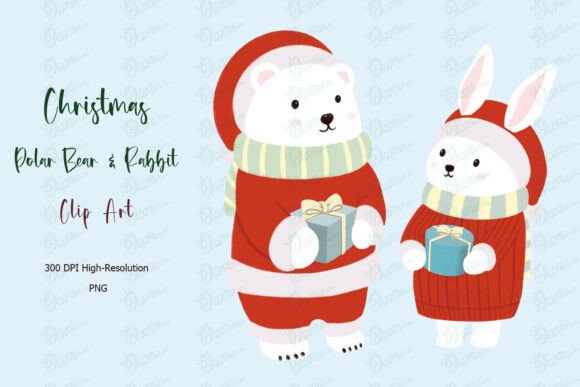
Cute Bear and Bunny Christmas Clipart Illustrations
As a graphic designer who spends most of my waking hours tweaking kerning and debating color palettes for small business clients, I have learned that the right graphic design asset can make or break a seasonal campaign. Recently, I was tasked with developing a visual identity for a boutique handmade candle brand launching a limited-edition holiday line. The client wanted something warm, nostalgic, and approachable, steering clear of the cold, minimalist aesthetics that dominate high-end corporate branding. This is where Cute Bear and Bunny Christmas Clipart entered the conversation. After integrating these assets into several mockups, I am ready to share my professional assessment of their utility in real-world creative design scenarios.
First Impressions: Mood and Visual Language
The immediate impact of this collection is its ability to evoke softness and joy. In an era where digital noise is overwhelming, these Illustrations offer a breath of fresh air. The style is distinctly hand-drawn yet polished, striking a balance between whimsical charm and professional finish. For a project targeting families, children, or anyone seeking comfort during the holidays, this visual language is spot on. It does not scream for attention; instead, it invites the viewer in. This subtle emotional appeal is crucial for brand identity work where trust and likability are paramount. If you are building a handmade business presence, these visuals align perfectly with the ethos of care and craftsmanship.
Versatility Across Design Mediums
One of the primary concerns when selecting a digital product for client work is versatility. Can it survive the transition from screen to print? Does it hold up in various layouts? I tested Cute Bear and Bunny Christmas Clipart across multiple applications, and the results were promising.
- Packaging Design: The clipart works exceptionally well on label designs. When placed on kraft paper or matte white stickers, the characters provide a focal point that enhances the unboxing experience.
- Social Media Graphics: For Instagram posts and Pinterest pins, these assets serve as excellent decorative accents. They break up text-heavy graphics and add personality to promotional content.
- Print-on-Demand: Whether for t-shirt design or mug prints, the clarity of the lines ensures that the image remains crisp. This is vital for sublimation design where pixelation can ruin the final product.
- Cricut Projects: Crafters will appreciate the clean edges, which are essential for precise cutting in vinyl sticker design and iron-on transfers.
For those utilizing platforms like Canva, these elements integrate seamlessly into existing Canva template structures, allowing non-designers to create professional-looking marketing visuals without extensive training.
Strategic Placement and Visual Hierarchy
Understanding where to place these assets is key to maintaining a strong visual hierarchy. In my recent project, I used the bear and bunny illustrations as hero graphics on the front of the packaging. Because the characters are expressive and detailed, they command attention in large layout areas. However, I also found them effective as smaller supporting elements in editorial design layouts, such as section dividers in a holiday lookbook or footers in email newsletters.
It is important to note that these clipart elements thrive in designs that allow them breathing room. Crowding them with too much text or complex background patterns diminishes their impact. They work best when paired with ample white space or simple, solid-colored backgrounds that let the details shine. This approach ensures that the design bundle contributes to a clean, organized aesthetic rather than creating visual clutter.
Cautionary Notes: Where to Use Carefully
While versatile, this asset is not a one-size-fits-all solution. Professional judgment dictates knowing when not to use certain styles. These illustrations are inherently playful and informal. Therefore, they should be avoided in projects requiring strict corporate professionalism, such as financial reports, legal documents, or high-tech B2B web design. Using them in such contexts could undermine the perceived authority of the brand.
Additionally, caution is needed when scaling down. While the PNG design files are high resolution, extremely small sizes may lose some of the finer facial expressions and details. Always preview your design at the intended output size. If you are working on a logo design, ensure that the simplified version remains recognizable. For complex backgrounds, check the contrast carefully. If the illustration colors blend into the background, readability suffers, and the emotional connection is lost.
Typography Pairings and Brand Consistency
A common mistake in small business branding is mismatching typography with imagery. Given the soft, rounded nature of the bear and bunny characters, pairing them with harsh, geometric sans-serif fonts can create visual dissonance. Instead, I recommend experimenting with:
- Script Fonts: Elegant scripts complement the whimsical nature of the illustrations, enhancing the festive mood.
- Handwritten Fonts: These reinforce the handmade, artisanal feel, making them ideal for Etsy product listings and personal touches.
- Rounded Sans Serifs: For a more modern design look, choose sans-serif fonts with soft terminals to maintain harmony without sacrificing legibility.
Consistency is key. If you use these Illustrations in your packaging design, carry them through to your social media graphics and website banners. This repetition builds recognition and strengthens the overall brand narrative.
Technical Checks for Professional Use
Before delivering any final files to a client, I perform a rigorous technical review. Here are the steps I took with this design asset:
- File Format Inspection: I verified the quality of the PNG files, ensuring transparent backgrounds were clean and free of artifacts. For vector users, checking the SVG design editability is crucial for scaling without quality loss.
- Color Testing: I tested the images in black and white to ensure they retain their form and recognizability. This is particularly important for cost-effective printing methods.
- Mockup Validation: Placing the graphics on real product mockup templates revealed how they interact with different materials, such as glossy labels versus matte cardboard.
- Licensing Verification: Always confirm the commercial license terms. For client projects, ensuring you have the right to use the asset in commercial products is non-negotiable to avoid legal issues.
Final Verdict for Designers and Creators
In the competitive landscape of the creative marketplace, having reliable, high-quality assets is a significant advantage. Cute Bear and Bunny Christmas Clipart proves to be a valuable addition to any designer’s toolkit, particularly for those serving the lifestyle, craft, and retail sectors. It offers a blend of charm and professionalism that resonates with audiences seeking warmth and connection.
Whether you are creating a printable design for wall art, developing a comprehensive design bundle for holiday sales, or simply adding a touch of festivity to a blog post, these illustrations deliver. They simplify the design process while elevating the final output. For designers looking to enhance their commercial design offerings this season, this collection is worth considering. It is not just about adding an image; it is about crafting an experience that feels thoughtful, intentional, and genuinely joyful.